Installation & Safety
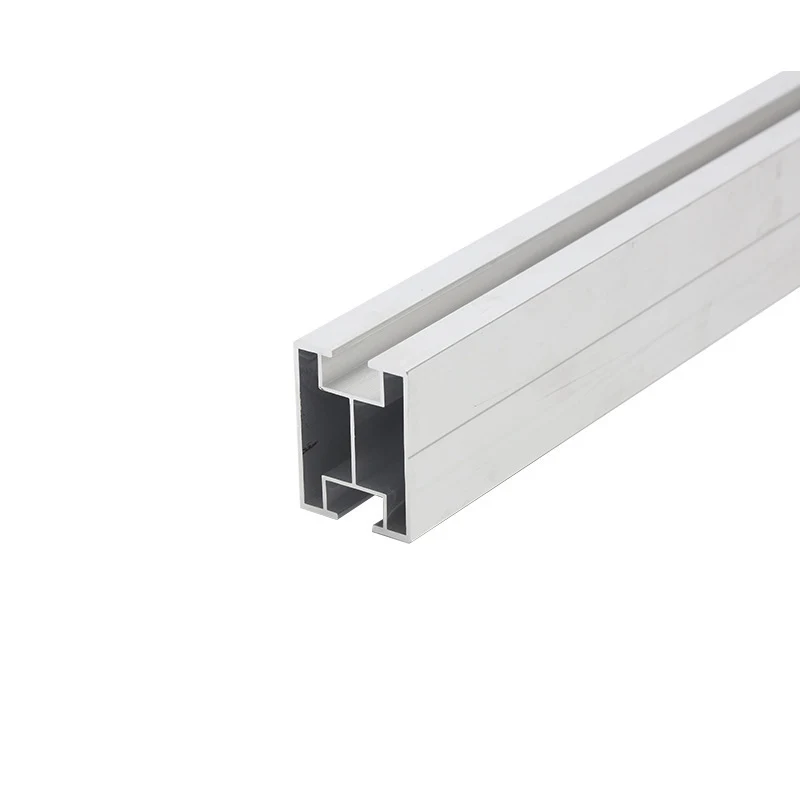
Can a solar rail splice automatically provide electrical bonding?
Updated 2026-11-01 · JINSHANG
Not automatically. A splice may join and align two rail sections mechanically, but that alone does not establish electrical continuity across the joint. Verify that the exact rail, splice, fasteners and module combination is identified in the system documentation as part of the bonding path.
UL Solutions describes UL 2703 as covering photovoltaic mounting systems, mounting devices, clamping or retention devices, and ground lugs. A compliance statement for one listed system or component should not be transferred to a different rail profile, splice or assembly. Check the applicable listing and the manufacturer’s installation instructions for the complete configuration.
Some rail splices are designed with integrated bonding features. For example, IronRidge describes its BOSS splice for XR Rails as using a built-in bonding spring. That is a product-specific example, not evidence that an ordinary splice or another manufacturer’s connector provides the same function.
Before procurement, confirm the rail series and profile, exact splice part, compatible modules and clamps, bonding method, fastener type, installation requirements, and whether a separate bonding jumper or inspection test is specified. If the documentation does not establish bonding for the exact joint, ask the project’s qualified electrical designer or system supplier to specify an approved solution. Do not infer safe continuity from physical metal contact or invent a torque or test criterion. Corrosion and dissimilar-metal contact can also affect PV bonding paths, so review the site exposure and material interfaces.
Sources: UL Solutions, “PV Mounting Systems Certification” (https://www.ul.com/services/pv-mounting-systems-certification); IronRidge, “BOSS Bonded Structural Splice” (https://www.ironridge.com/component/boss/); U.S. DOE FEMP, “Managing and Mitigating Solar PV Corrosion” (https://www.energy.gov/cmei/femp/managing-and-mitigating-solar-pv-corrosion).